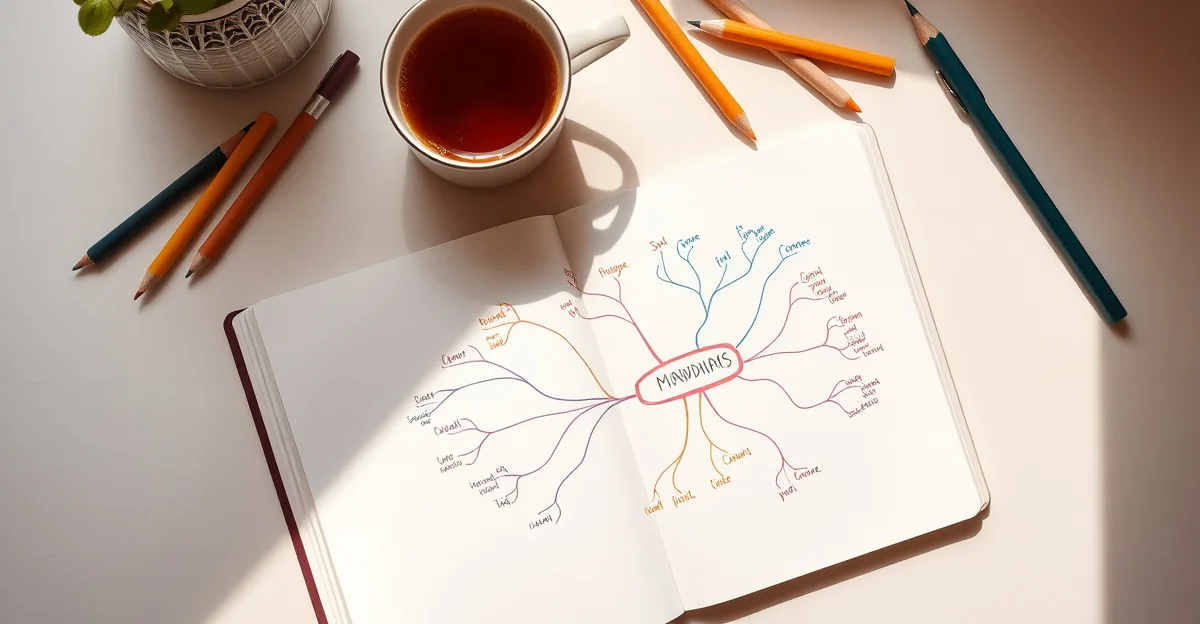
Design Your Ideal Day: A Framework for Meaningful Daily Routines

When you wake up tomorrow morning, what would make that day feel truly good? Not perfect in an exhausting way—but genuinely aligned with what matters to you. Most of us carry a vague image of an ideal day somewhere in our minds, yet struggle to articulate it clearly or build the intentional habits that would make it real.
Q Diary’s question “Designing Your Ideal Day: A Step-by-Step Planning Guide” invites you to move beyond wishful thinking and actually create a blueprint for the days that work for you—not for anyone else’s version of productivity or success.
What Does an Ideal Day Actually Mean?
Before you can design anything, you need to understand what you’re designing for. The word “ideal” can feel intimidating because it whispers perfectionism. But your ideal day isn’t about flawlessness. It’s about alignment.
For some people, an ideal day centers on deep focus work and the satisfaction of completing meaningful projects. For others, it’s marked by generous time with family, movement in nature, or creative exploration. Some find their ideal day in a quiet morning routine followed by presence with others. There’s no single template.
The first step is honest self-reflection: What activities, interactions, or moments make you feel most like yourself? What leaves you satisfied at day’s end—not necessarily exhausted, but genuinely content?
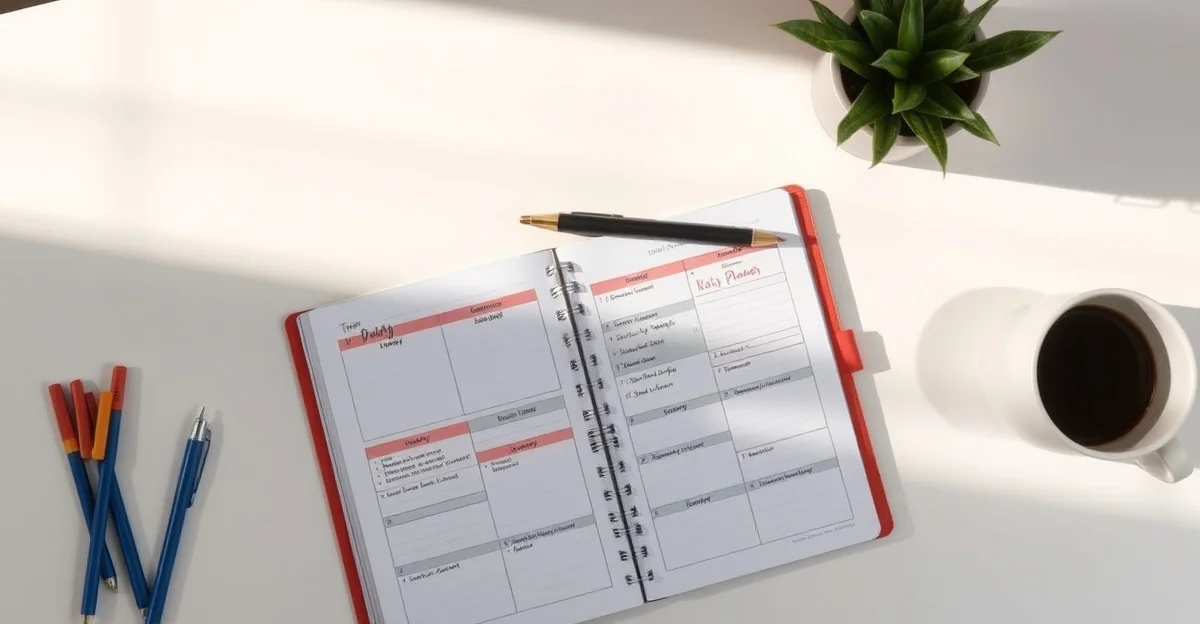
The Power of Looking Back
If you’ve been using Q Diary for a while, revisit your answers to this question from previous years. Your ideal day often reveals what you truly value—and those values shift. Comparing what mattered to you a year ago versus now shows you how you’re evolving.
Breaking Your Day Into Three Meaningful Zones
Rather than trying to optimize every hour, think of your ideal day as three overlapping zones of importance:
Essential Zone: Your non-negotiables. Work commitments, family responsibilities, basic self-care. These are things you genuinely need to accomplish to feel responsible and grounded.
Growth Zone: Activities that feed your development—exercise, learning, creative practice, skill-building. This is where you invest in becoming who you want to be.
Connection Zone: Time with people and activities you love for their own sake. Conversation, laughter, hobbies, simple pleasures. The moments that feel nourishing rather than productive.
A well-designed ideal day doesn’t require equal time in each zone. Some seasons demand more from your Essential Zone. During other periods, Connection or Growth might take center stage. The key is intentionality—knowing which zones matter most right now and building your day around them rather than letting it happen to you.

Map Your Ideal Day
Spend 15 minutes sketching what your ideal day looks like hour by hour. Don’t aim for perfection—just honesty.
- Write down when you’d ideally wake up and what you’d do first.
- Block out time for your Essential Zone (work, responsibilities).
- Add your Growth Zone activities (what nourishes your development?).
- Include your Connection Zone (people, joy, rest).
- Note your wind-down and sleep rhythm.
Now ask yourself: How often could this realistically happen? Not every day needs to match this template. But knowing what your ideal looks like helps you recognize when you’re drifting and when to course-correct.
Plan Flexibly, Not Rigidly
Here’s where many planning systems fall short: they don’t account for the actual texture of living. Real days are interrupted by unexpected emails, changing moods, and surprises—both delightful and difficult.
The difference between a plan that sustains you and one that exhausts you is flexibility. Rigidity creates guilt. Flexibility creates wisdom.
Your ideal day is a north star, not a prison sentence. Some days you’ll hit all three zones beautifully. Other days, life will demand that you skip your growth activity to show up fully for someone else. That’s not failure. That’s also part of an ideal life.
The Evening Reflection Practice
Spend five minutes each evening reviewing your day. Ask yourself: What went well? Where did I feel most aligned? What surprised me? What would I adjust tomorrow?
This isn’t about tracking productivity—it’s about deepening your understanding of what actually works for you. Over weeks and months, you’ll notice patterns. You’ll discover that certain routines genuinely serve you, while others drain you. That information is gold.
Perfection Is Never the Goal
The most important shift happens when you release the pressure to execute your ideal day flawlessly. An ideal day isn’t about crossing off every item or achieving a perfect score. It’s about presence and intention.
You might have aimed for an early start but slept in. You might have planned three hours of focused work but got pulled into something unexpected. You might have missed your usual exercise but had a conversation that mattered more that day.
An 80% version of your ideal day is still a good day. A day where you showed up consciously, made choices aligned with your values, and did your best—that’s an ideal day.

The Deepening Practice
Here’s what makes Q Diary powerful: by returning to the same question year after year, you gain perspective. Your ideal day from last year might look quite different from what you’d design today. And that difference tells a story about how you’ve grown, what you’ve learned about yourself, and what you truly prioritize.
Don’t use your ideal day as a measuring stick for failure. Use it as a mirror for self-discovery. What does your ideal day reveal about your deepest values? How has your vision evolved? What have you learned about what actually makes you feel alive?
That’s the real design—not perfect days, but days that become increasingly yours.